Browse

Log in / Register
 Share

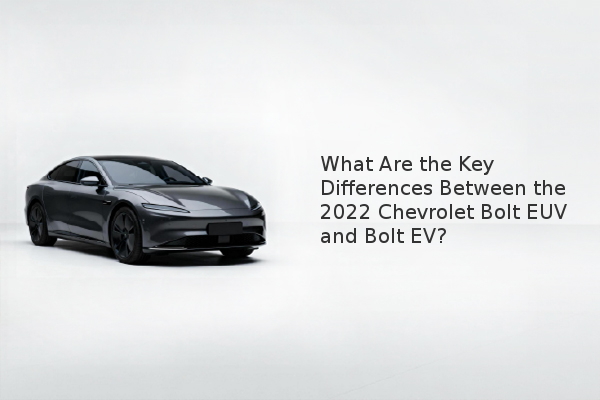
The 2022 Chevrolet Bolt EUV distinguishes itself from the Bolt EV with a more traditional SUV-like design, the debut of GM's hands-free Super Cruise driver-assistance technology on a Chevrolet model, and a slightly larger footprint, while sharing its core electric powertrain and impressive 259-mile driving range.
The arrival of the 2022 model year brings two distinct electric vehicles (EVs) from Chevrolet: the updated Bolt EV hatchback and the all-new Bolt EUV. While they share fundamental technology, they cater to different buyer preferences. The Bolt EUV's key advantage is the availability of Super Cruise, a significant feature in the affordable EV segment. However, its starting price of approximately $37,495 comes with an important caveat regarding federal tax incentives.
The most immediate difference lies in the styling. The Chevrolet Bolt EUV is designed as a more conventional, SUV-like variant of the Bolt EV. Based on teaser images released by Chevrolet, the EUV features a higher, more traditional beltline and more upright C-pillars compared to the Bolt EV's distinctive, plunging beltline and forward-pulled A-pillars. This design shift sacrifices some of the standard Bolt EV's unique flourishes for a broader, potentially more mainstream appeal. The Bolt EV, meanwhile, retains its familiar hatchback profile for the 2022 model year but receives updates to lighting elements. Both models are scheduled to begin production in the summer of 2021.
The most significant technological differentiator for the Bolt EUV is the availability of Super Cruise. This system is a hands-free driver-assistance feature that allows for hands-free operation on over 200,000 miles of compatible, divided highways in the U.S. and Canada. It combines adaptive cruise control, lane-keeping assistance, and a driver-attention system to enhance comfort on long journeys. The Bolt EUV will be the first Chevrolet model to offer this technology, which was previously reserved for premium Cadillac vehicles. This move brings a high-level automated driving aid to a more affordable price point, creating a key competitive advantage against rivals like the Nissan Leaf and Hyundai Kona Electric.
Underneath their different bodies, the Bolt EUV and Bolt EV share the same electric powertrain. For the 2022 models, this is expected to carry over the 200-horsepower electric motor and 65-kWh battery pack from the 2020 Bolt EV, which achieved an EPA-estimated range of 259 miles. This range is highly competitive in the non-luxury EV segment.
However, a critical factor for shoppers is the federal tax credit situation. General Motors (GM), Chevrolet's parent company, has surpassed the sales quota that qualifies its vehicles for the full $7,500 federal tax credit. This means that while the Bolt EV and Bolt EUV have a starting MSRP (Manufacturer's Suggested Retail Price) around $37,495, buyers will not receive a federal tax rebate, effectively making the final cost higher than competitors from brands like Ford, Hyundai, or Nissan that may still be eligible.
Choosing between the two models comes down to prioritizing specific features over style and cost.
In summary, the Bolt EUV expands Chevrolet's electric lineup by offering a new body style and a flagship technology feature. Shoppers should carefully weigh the value of Super Cruise and the SUV design against the loss of the federal tax credit, which impacts the overall cost of ownership compared to some newer EV rivals.