Browse

Log in / Register
 Share

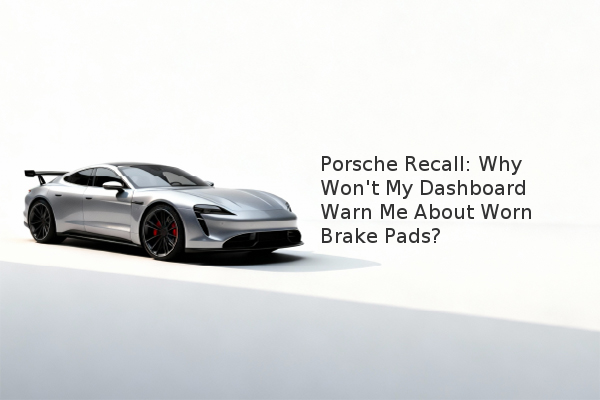
A critical software glitch in certain Porsche models means the instrument cluster may not display a warning when brake pads are worn out, increasing the risk of an accident. This recall affects approximately 44,100 vehicles across various Panamera and Cayenne models from the 2017-2020 model years. Porsche has announced that dealers will fix the issue with a free software reprogramming starting December 15. If you own one of the affected vehicles, you should proactively check your Vehicle Identification Number (VIN) to see if your car is included.
The recall spans several popular Porsche models built over four model years. The affected vehicles include:
What is an instrument cluster? This is the digital or analog panel behind the steering wheel that displays critical driver information like speed, engine RPM, and warning lights. In this case, the software that controls the cluster is faulty.
The core problem is that the instrument cluster may fail to illuminate a visual warning when the brake pads become excessively worn. Modern vehicles rely on these warnings to alert drivers to perform necessary maintenance before a critical system fails.
Without this warning, drivers might not be aware that their brake pads have worn down to a dangerous level. Worn brake pads significantly increase stopping distances and can lead to damage to the brake rotors, resulting in a complete loss of braking efficiency and a higher risk of a crash. This issue is particularly concerning because brake wear is a gradual process a driver may not notice during daily use until it's too late.
The solution is a software update. Porsche dealers will reprogram the instrument cluster free of charge. This recall even includes vehicles that may have received a related repair earlier in the spring, indicating Porsche is committed to a comprehensive fix. The reprogramming process is non-invasive and typically takes a short amount of time at an authorized dealership.
Porsche will begin mailing official recall notifications to registered owners on December 15. However, you don't have to wait for the letter. You can take the following steps immediately:
Even with the recall repair pending, based on our assessment experience, it is always a good practice to have your brakes inspected regularly during routine maintenance. Listen for any unusual grinding or squealing noises when braking, as these can be audible signs of wear.