Browse

Log in / Register
 Share
Share
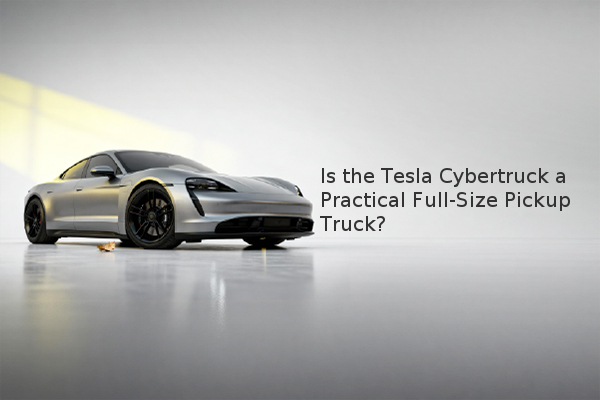
Based on our assessment of its specifications, the Tesla Cybertruck presents a compelling alternative to traditional full-size pickups with impressive towing capacity and a unique design, but its real-world utility and the impact of recent recalls on rival models from Ford and GM are critical factors for truck buyers to consider. The electric vehicle's polarizing looks and unproven "vault" bed functionality stand in contrast to its strong claimed performance numbers, while safety recalls highlight the importance of reliability in the segment.
The Cybertruck’s specifications are designed to compete directly with established gasoline-powered trucks. Its most significant claims include a 14,000-pound towing capacity and a 3,500-pound payload capacity, figures that rival top-tier full-size pickups. A key differentiator is its all-electric powertrain—the system that generates power to move the vehicle—which promises instant torque and lower operating costs. However, the utility of its enclosed cargo area, which Tesla calls the "vault," remains theoretical until independent testing can be conducted. For buyers considering an electric pickup, these specs suggest strong capability, but real-world range while towing and charging infrastructure accessibility are crucial unanswered questions.
Safety and reliability are paramount in the truck segment, and recent recalls—manufacturer-issued corrections for safety-related defects—affect hundreds of thousands of popular models. This underscores the need for owners to verify their vehicle's status.
The following table summarizes the recall information for clarity:
| Manufacturer | Models Affected | Model Years | Recall Reason | Potential Risk |
|---|---|---|---|---|
| General Motors (GM) | Chevrolet Silverado 1500, HD; GMC Sierra 1500, HD | 2019-2020 | Seat belt pretensioners may vent hot gas onto carpeted floor mats, creating a fire risk. | Fire hazard. |
| Ford | Ranger | 2019 | Faulty electrical connector may cause taillight failure. | Reduced vehicle visibility, increasing crash risk. |
The Cybertruck's angular, stainless-steel exoskeleton is its most controversial feature. While it contributes to a claimed high level of durability, it represents a significant departure from the conventional aesthetics of the Ford F-150, Chevrolet Silverado, and Ram 1500. Based on our assessment experience, this radical design will likely polarize potential buyers. Traditional truck buyers who value a familiar, rugged appearance may be deterred, while those seeking a futuristic statement may be drawn to it. The ultimate commercial success of the Cybertruck may hinge on whether its performance and utility can overcome aesthetic reservations in a traditionally conservative market.
For truck buyers navigating these options, the key takeaways are to prioritize verified performance data and safety. Prospective Cybertruck owners should wait for independent tests of its real-world capabilities, while owners of affected Ford and GM models should check their Vehicle Identification Number (VIN) on the National Highway Traffic Safety Administration (NHTSA) website to confirm recall status and schedule necessary repairs promptly.