Browse

Log in / Register
 Share

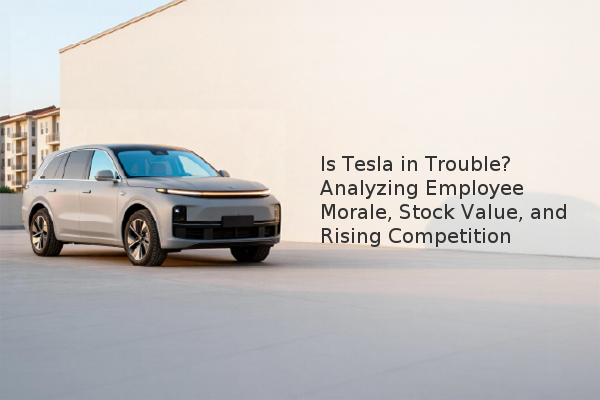
While the Tesla Model 3 dominates its luxury segment, the company faces significant internal and external pressures, including a sharp decline in employee satisfaction and a multi-billion dollar loss in market value, signaling a critical juncture for the electric vehicle pioneer.
Recent news from the automotive world has shifted from Tesla's upcoming sub-$50,000 pickup truck to more pressing concerns about its workplace environment and financial stability. Building industry-leading electric vehicles is one challenge; maintaining the confidence of employees and investors in a fiercely competitive market is another. This analysis examines the key factors impacting Tesla's current trajectory, from internal morale to external rivals.
According to recent surveys on professional networking sites, employee morale at Tesla has seen a notable decline. This trend is a significant shift for a company once celebrated as a top employer. Data from LinkedIn's annual survey shows Tesla dropped to 16th place in 2019 for most desirable companies to work for, a steep fall from 5th and 6th place in 2018 and 2017, respectively.
Furthermore, ratings on Glassdoor, a site where employees anonymously review companies, tell a similar story. Tesla's overall score has decreased from a high of 3.6 out of 5.0 stars around 2017 to 3.2 stars in the most recent assessments. Perhaps more telling is the approval rating of CEO Elon Musk among Tesla staff, which has reportedly fallen from around 90% in early 2017 to just over 50%. While Tesla continues to attract hundreds of thousands of job applicants and is expanding its workforce, these metrics indicate growing internal challenges that could impact long-term innovation and stability.
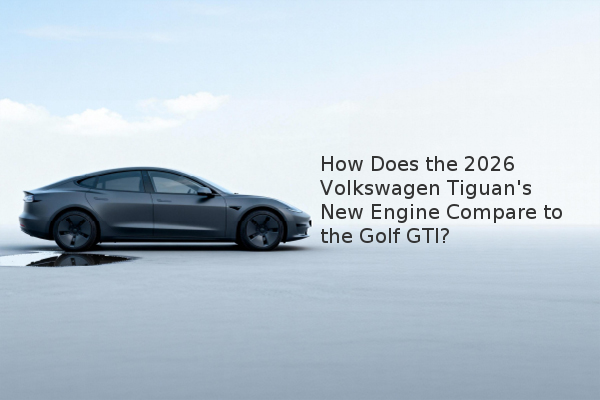
The success of the Model 3, which is outselling conventional rivals like the BMW 3 Series and Mercedes-Benz C-Class, is overshadowed by serious financial concerns. A report from The New York Times highlights the complexities of Tesla's transition into a mainstream automaker. Persistent worries about the brand's longevity are fueled by two main factors: quality control and financial incentives.
New vehicles sometimes require cosmetic fixes upon delivery, affecting customer satisfaction. More critically, the phasing out of federal EV tax credits for Tesla buyers may negatively impact sales affordability in the coming months. These issues have directly influenced Wall Street's perception. From the beginning of 2019, Tesla lost approximately $30 billion in market value, a stark reminder that product success does not automatically guarantee investor confidence in a capital-intensive industry.
The growing electric vehicle market is experiencing growing pains, as evidenced by recent recalls affecting Tesla's direct competitors. Both the Jaguar I-Pace and Audi e-tron, two highly anticipated luxury electric SUVs, have been subject to safety recalls, demonstrating that all automakers face challenges with new technology.
For the Jaguar I-Pace, the issue involves its regenerative braking system. Regenerative braking is a technology that captures energy during deceleration to recharge the battery. If this system fails, a driver might experience a delay between pressing the brake pedal and the vehicle slowing down. The recall affects approximately 3,000 vehicles globally. Audi's recall concerns roughly 1,600 e-tron SUVs and involves potential moisture entering the battery compartment. Audi has stated no known failures have occurred but advises owners to park and stop driving immediately if a specific warning light appears. These events highlight that the entire industry is on a learning curve, potentially tempering consumer expectations across the board.
Based on our assessment experience, Tesla's path forward depends on addressing internal culture to foster innovation while navigating intense market scrutiny and a competitive landscape where even established brands face technical setbacks. The company's ability to balance internal employee relations with external financial pressures will be crucial. For potential buyers and investors, these factors are essential to monitor, as they provide a more complete picture of an automaker's health beyond monthly sales figures.