Browse

Log in / Register
 Share
Share
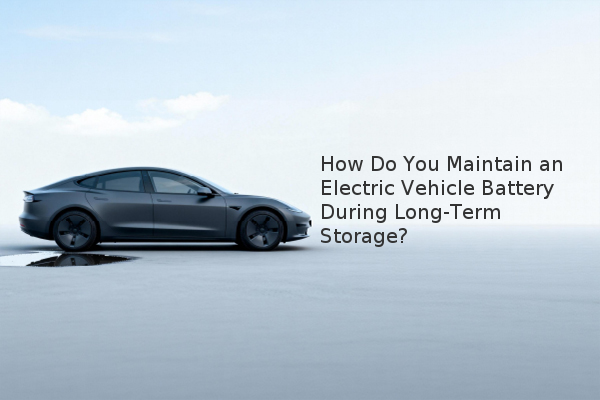
Maintaining an electric vehicle (EV) during extended periods of inactivity requires a specific focus on its two battery systems: the high-voltage traction battery and the standard 12-volt battery. Based on expert recommendations from manufacturers like Ford, the key is to manage the state of charge and prevent parasitic drain to avoid irreversible damage. If your EV will be parked for more than 30 days, following these steps will help ensure it’s ready to drive when you need it.
The most critical rule for the high-voltage lithium-ion battery pack is to maintain a state of charge (SOC) between 10% and 80%. Letting the main battery deplete to 0% for an extended period can cause significant, permanent damage, reducing its overall capacity and lifespan.
If you have access to an outlet, the best practice is to leave the vehicle plugged in. The car's onboard charging system will intelligently manage the battery level, keeping it within the safe window without overcharging. If leaving it plugged in isn't an option, ensure the battery is charged to around 50% before storage. A mid-level charge is the most stable condition for lithium-ion chemistry during long-term inactivity. According to Ford's battery expert Bob Taenaka, with a charge above 10%, the main battery can remain stationary for up to six months without significant degradation.
While the main battery may be stable, the 12-volt battery—which powers everything from the computer and infotainment system to the door locks—is susceptible to draining quickly. Similar to a gasoline car, various systems draw a small amount of power continuously, a phenomenon known as parasitic drain.
You have two primary options to preserve the 12-volt battery:
Beyond battery care, a few additional steps will keep your EV in optimal condition:
By proactively managing both battery systems and performing these simple checks, you can preserve your electric vehicle's health and avoid a dead battery when you're ready to drive again. The core principles are maintaining the high-voltage battery between 10-80% charge and preventing the 12-volt battery from draining, either with a maintainer or by disconnecting it.